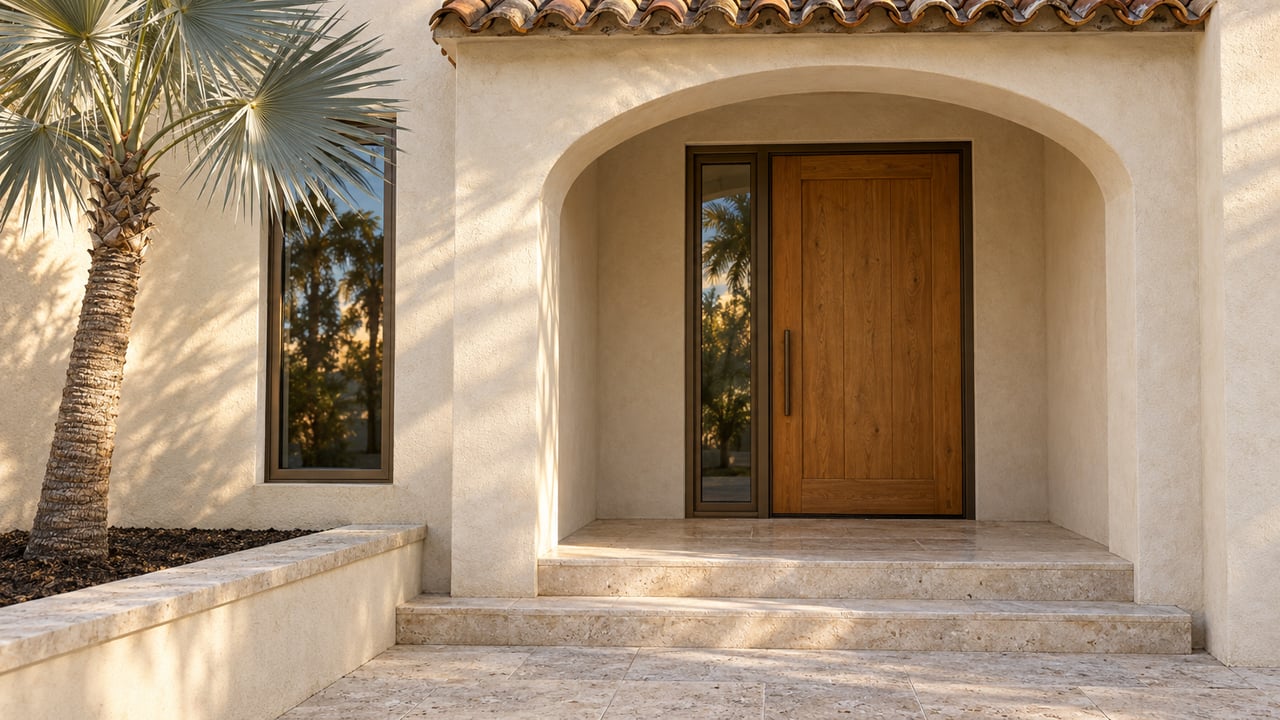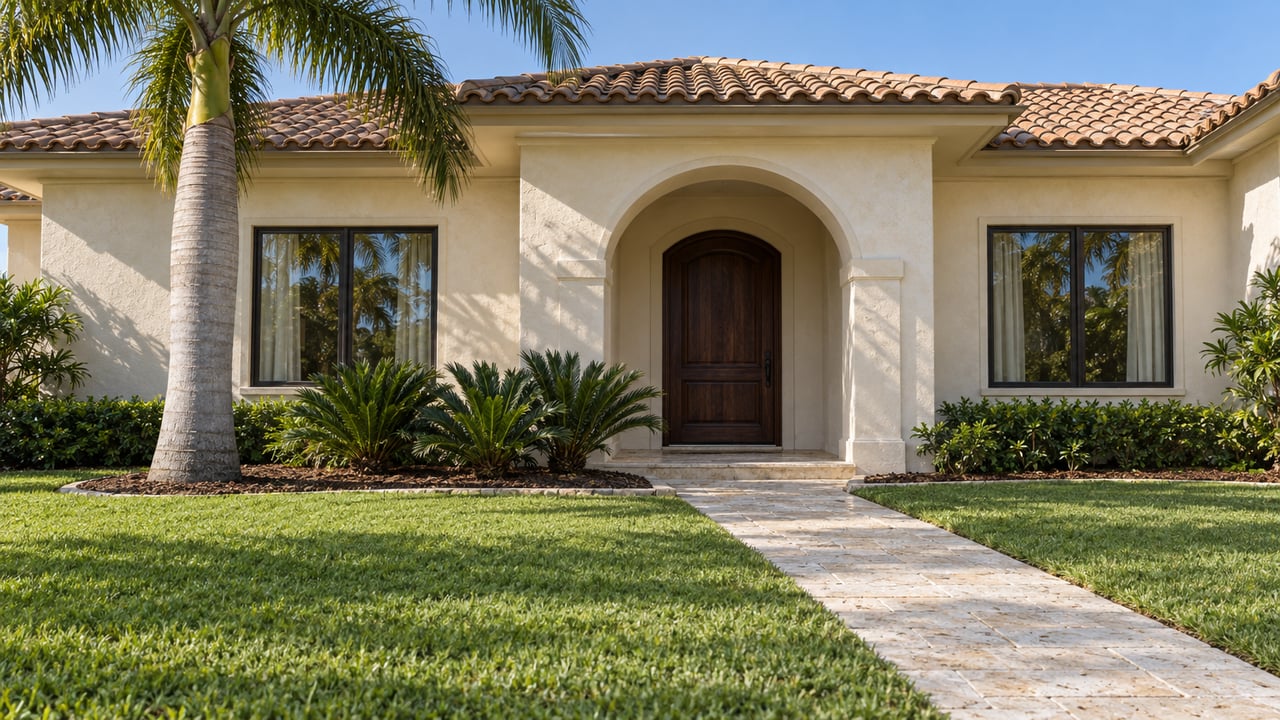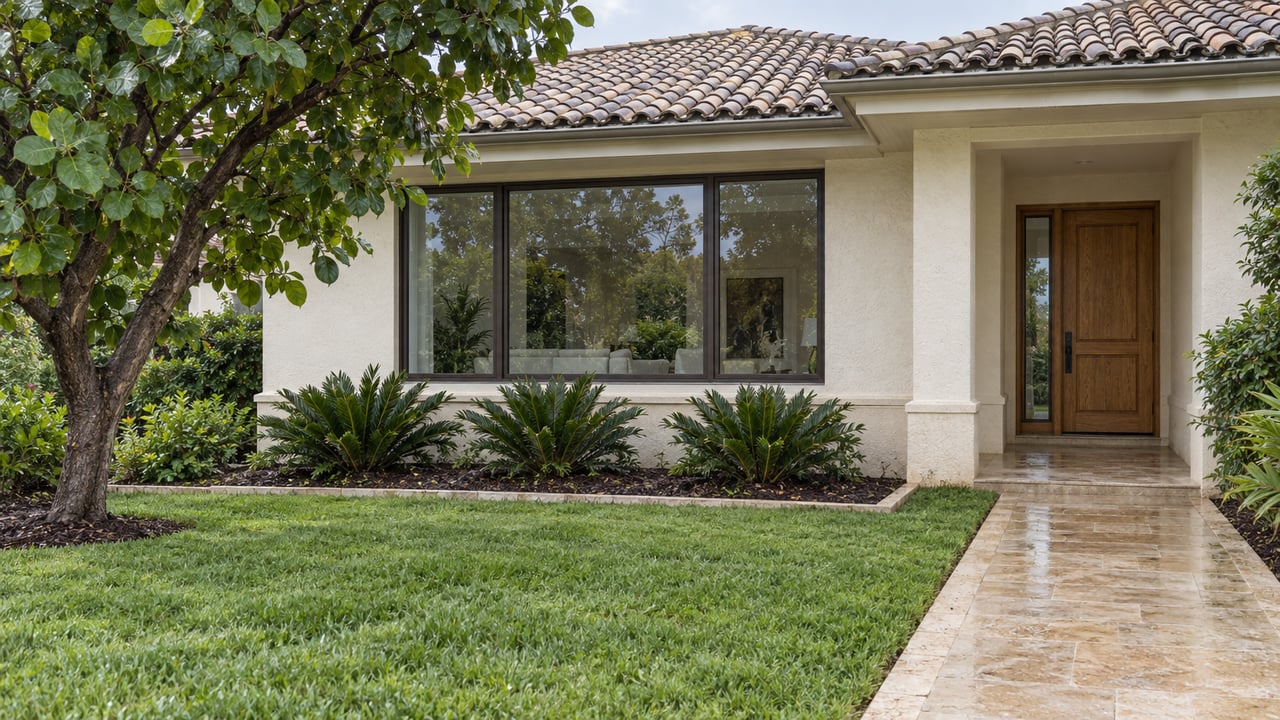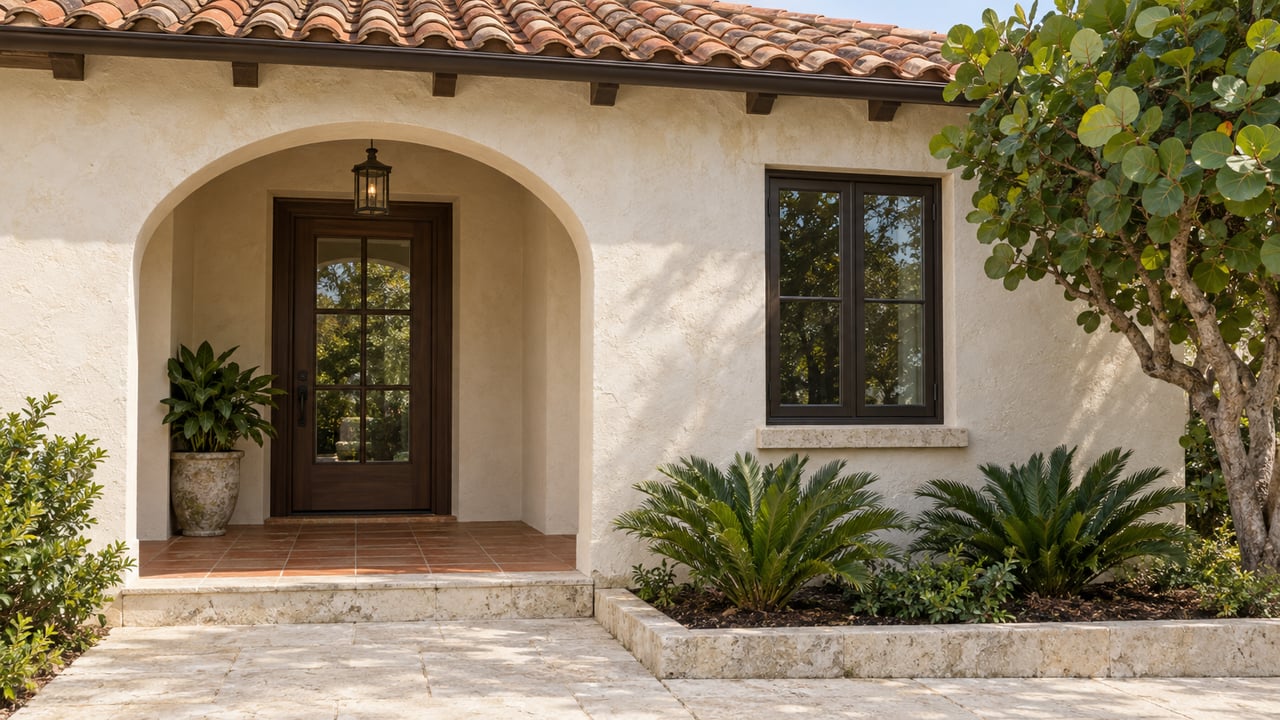
A buyer stands on the porch of a Del-Ida Park bungalow with two paint chips in hand, trying to decide between a warmer white and a cooler one. It seems like the smallest decision in the whole purchase. It isn't. Before a brush touches that trim, the city needs a completed Building Materials and Color Sample Form and a Certificate of Appropriateness, because the house sits inside one of Delray Beach's five locally designated historic districts, where paint is treated as a construction material, not a preference.
That single form is the visible edge of a system most buyers never hear about until they've already made an offer. The same system that slows down a trim color also protects a tax exemption that can follow the house to its next owner, worth years of savings that never show up on a listing sheet. Understanding how the two connect changes how you should shop, budget, and negotiate in Old School Square, Del-Ida Park, Nassau Park, the Marina Historic District, or West Settlers.
What Actually Needs a Permit, and What Doesn't
Delray Beach defines a historic property as one that is at least fifty years old and either significant to a person, event, or trend in local, state, or national history, or distinguished by its architectural merit. Once a property carries that status, whether individually or as part of a district, the city's Land Development Regulations require a Certificate of Appropriateness for any exterior improvement or alteration. That includes windows, doors, roofing, additions, and yes, paint color.
Interior work is a different story. General maintenance and interior alterations stay under the owner's control, with no board review required, according to the city's own historic preservation FAQ. The friction shows up the moment work becomes visible from the street.
Demolition carries the strictest rule of all. A Certificate of Appropriateness for demolition must be paired with an actual building permit for whatever replaces the structure, and the demolition cannot legally happen until that permit is issued. In practice, a buyer who wants to tear down and start over inside one of these five districts is signing up for a two-step approval process before a single wall comes down, not a one-step teardown.
Smaller projects, like a color change or a like-for-like roof repair, are often reviewed administratively by Historic Preservation Division staff. Larger changes, additions, or anything touching a district's character go in front of the seven-member Historic Preservation Board, which the City of Delray Beach says is appointed by the City Commission.
Five Districts, Five Different Starting Points
The rules are the same across all five districts. The buildings they're protecting are not.
| District | Established | Scale | Defined By |
|---|---|---|---|
| Old School Square Historic Arts District | 1987 | 176 structures, the city's largest district | Original town footprint; landmarks include the Sundy House and Cathcart House on South Swinton Avenue |
| Del-Ida Park | 1987 | 58 acres, 151 structures | Diagonal streets and pie-shaped corner parks, Mediterranean Revival and Craftsman Bungalow homes tied to architect Samuel Ogren Sr. |
| Nassau Park | 1987 | 17 cottages across two blocks | Cape Cod Revival cottages built between 1935 and 1941, steps from the beach |
| Marina Historic District | 1987 | Streets built around the City Marina on the Intracoastal | Mediterranean, Mission Revival, and Art Moderne styles, including a cottage attributed to architect Addison Mizner |
| West Settlers Historic District | 1997 | 53 structures, 23 with historic status | Site of Delray's first settlement, established in 1894; home to the Solomon D. Spady House |
The city adopted its first historic preservation ordinance in 1987 and designated the first four districts at that time. West Settlers followed a decade later, recognizing the neighborhood where African American families from northern and western Florida, Georgia, and South Carolina built the city's first agricultural community starting in 1894.
That range matters for a buyer's expectations. A cottage on Nassau Street is a different scope of ownership than a larger Del-Ida Park lot with a 1920s footprint, even though both answer to the same Historic Preservation Board.
The Tax Break That Comes With the House
Here's the part that rarely makes it into a listing description. Delray Beach offers a Historic Property Ad Valorem Tax Exemption for qualifying improvements to properties that contribute to a historic district or carry an individual listing on the Local Register. Qualifying improvements can be exempted for up to ten years, and the exemption passes to a new owner if the property sells while that exemption period is still running.
That means a seller who completed an approved restoration three years ago isn't just handing over a renovated house. They're handing over the tax exemption tied to that work, whether the buyer asked for it or not. Most buyers don't ask, because most buyers don't know the exemption exists until a closing agent mentions it, if anyone mentions it at all.
There's a second incentive that looks similar but works differently. According to the Internal Revenue Service, the federal Historic Rehabilitation Tax Credit equals 20 percent of qualifying rehabilitation costs, and the National Park Service says it applies only to income-producing properties inside a district also listed on the National Register of Historic Places, or to individually National Register-listed buildings. Two of Delray's five local districts also carry that national listing. A primary residence in a locally designated district that lacks the national overlay doesn't qualify for the federal credit, no matter how faithful the restoration. Confusing the two incentives is an easy way to budget a project around a tax benefit that was never available.
Before writing an offer on a historic property, ask the seller or their closing team for the property's exemption certificate and its remaining term. It's a document, not a guess, and it changes the real cost of ownership for whoever buys next.
Where the Water Table Complicates the Paperwork
Delray's historic districts sit close to the coast, and coastal construction rules don't pause for architectural review. Homes here fall under Florida Building Code wind-load standards, which govern roof attachment methods, approved roof coverings, and hurricane protection at every window and door.
Flood zone status raises the stakes further. Every South Florida property sits in a FEMA flood zone, and homes near the Intracoastal or barrier island, including much of the Marina Historic District, tend to sit in higher-risk zones. FEMA's flood maps for the region were updated in December 2024, and that kind of remap can move a property from one risk category to another without any change to the house itself. A buyer should confirm current zone status directly through FEMA's Flood Map Service Center rather than relying on an old insurance quote or a prior owner's paperwork.
A Short Checklist Before You Write an Offer
- Confirm whether the property is individually listed or contributing to one of the five districts, and whether that district also carries a National Register listing.
- Request the property's Certificate of Appropriateness history from the city's Historic Preservation Division so you know what's already been approved and what hasn't.
- Ask for the current Historic Property Ad Valorem Tax Exemption certificate, if one exists, and its remaining term.
- Check the property's flood zone directly through FEMA's map service, especially for anything near the Intracoastal or south of Atlantic Avenue.
- If you're planning exterior work, get a sense from Historic Preservation Division staff of whether it falls under administrative review or a full Historic Preservation Board hearing before you budget a timeline.
Quick Answers
Does interior renovation need historic approval? No. Interior alterations and general maintenance are controlled by the owner. Review is triggered by exterior changes, from windows and roofing to paint color.
Does the tax exemption apply to every historic property in Delray? It's available for qualifying improvements to properties that contribute to one of the five local districts or carry an individual Local Register listing. The separate federal 20 percent credit is narrower and applies only where a National Register listing is also in place.
Are the rules different from one district to another? The review process is the same across all five. What changes is the building stock itself, from Nassau Park's seventeen 1930s cottages to Old School Square's much larger and older mix of structures.
Who reviews a Certificate of Appropriateness application? Smaller changes are typically handled by Historic Preservation Division staff. Larger projects go before the seven-member Historic Preservation Board.
A house in one of these five districts comes with more homework than a standard resale, and also with a document trail that can work in a buyer's favor if someone actually reads it before closing. Deborah Carr works these blocks regularly and can pull a property's Certificate of Appropriateness history and exemption status before you write an offer, not after.
This article is general information, not legal, tax or financial advice. Consult a qualified professional about your situation.